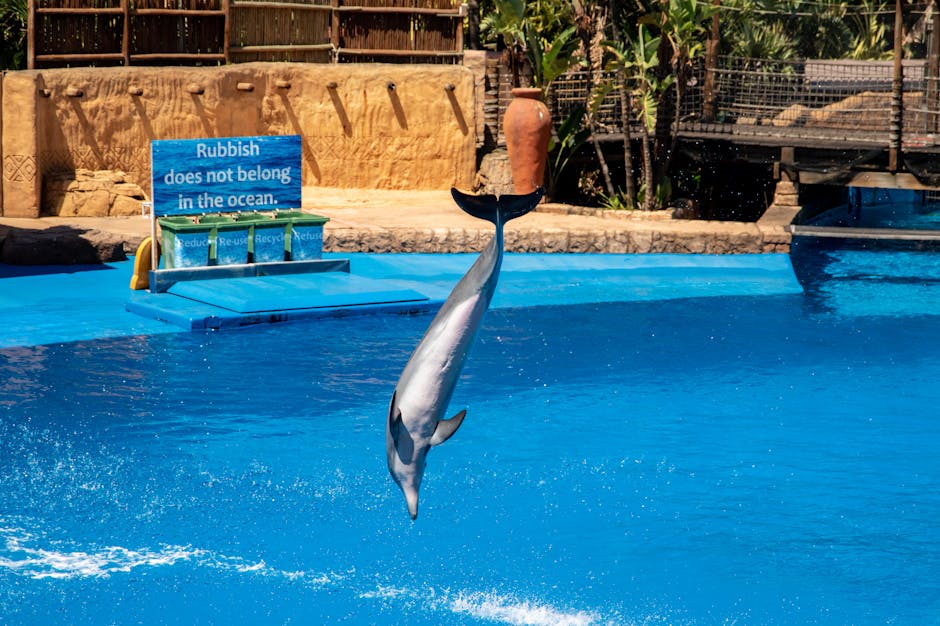

Why Dolphin Awareness Matters
Dolphins are charismatic marine mammals that captivate people of all ages. Their intelligence, social behavior, and role in ocean ecosystems make them important indicators of marine health. When dolphin populations thrive, it often reflects clean water, abundant fish, and balanced habitats. Conversely, declines signal pollution, over‑fishing, or habitat disruption. Raising awareness about dolphins therefore serves two purposes: it inspires personal connection to the sea and it creates a base of informed citizens who can support policies and actions that protect marine environments.
What Schools Can Do: Curriculum Integration
Education systems have the capacity to embed marine conservation across subjects. Below are practical ways to weave dolphin awareness into existing curricula without overburdening teachers.
Science Classes
- Species biology modules: Include sections on dolphin anatomy, communication (echolocation), and social structures. Use videos of wild pods and simple diagrams to illustrate concepts.
- Ecology field labs: Partner with local aquariums, marine research centers, or coastal NGOs to arrange guided tours. Students can observe dolphin behavior, learn about data collection methods, and discuss the relevance of research to conservation.
- Citizen‑science projects: Enlist students in data‑gathering efforts such as shoreline surveys for dolphin sightings or water‑quality testing. Results can be uploaded to platforms like iNaturalist, giving students a sense of contribution.
Language Arts
- Reading and writing assignments: Select stories, poems, or scientific articles about dolphins. Follow up with reflective essays that ask students to consider how human actions affect marine life.
- Creative projects: Encourage students to produce short plays, illustrated books, or podcasts focusing on dolphin habitats. These assets can be shared at school assemblies or community events.
Social Studies and Citizenship
- Policy debates: Facilitate mock town‑hall meetings where students role‑play stakeholders—fishermen, tourism operators, conservationists, and government officials. This helps them understand competing interests and the need for balanced regulations.
- Historical perspectives: Examine how different cultures have viewed dolphins, from ancient Greek myths to Indigenous marine stewardship practices. Highlight how respect for dolphins often coincided with sustainable resource use.
Art and Design
- Visual campaigns: Assign projects that create posters, murals, or digital graphics promoting dolphin protection. Display the work in school hallways, libraries, and local businesses.
- Multimedia storytelling: Use simple animation tools to let students craft short videos that explain a specific threat—such as plastic ingestion—and propose a solution.
Community‑Level Strategies
Schools are part of larger neighbourhood ecosystems. By linking school initiatives with community actions, awareness spreads beyond the classroom.
Public Events and Workshops
- Beach clean‑ups: Organize monthly clean‑ups that begin with a brief talk on how debris harms dolphins. Provide reusable gloves and bags, and track the amount of waste collected.
- Speaker series: Invite marine biologists, local fishers, or representatives from wildlife NGOs to give talks at community centers or libraries. Record sessions for later sharing.
- Citizen‑science fairs: Host fairs where residents can learn about ongoing dolphin monitoring programs, sign up as volunteers, and receive training on data entry.
Partnerships with Local Businesses
- Eco‑tourism collaborations: Work with responsible dolphin‑watch operators to develop educational brochures that explain safe viewing distances, the impact of boat noise, and ways tourists can support research.
- Retail displays: Ask local shops to showcase student‑made dolphin awareness posters, offering a small donation to a marine charity for each poster displayed.
Digital Outreach
- Social media campaigns: Create a community hashtag (e.g., #DolphinGuardians) and encourage residents to post photos of clean beaches, local marine life, or educational events.
- Online resource hub: Build a simple website or a dedicated page on the school’s site that aggregates articles, event calendars, and volunteer opportunities related to dolphins.
Key Topics to Emphasize in Awareness Efforts
Effective education must address the most pressing issues facing dolphins. The following topics provide a solid foundation for both school curricula and community talks.
Habitat Loss and Coastal Development
Coastal construction can remove the shallow water zones dolphins use for feeding and calf rearing. Explain how zoning laws, buffer zones, and mangrove restoration can mitigate these impacts.
Plastic Pollution
Plastics break down into micro‑particles that enter the food chain. Dolphins may ingest plastic directly or suffer from prey contamination. Demonstrate the life cycle of a plastic bottle from use to marine debris.
Noise Pollution
Ship traffic, sonar, and construction generate low‑frequency sound that interferes with dolphin echolocation. Use simple sound‑wave visualizers to show how noise masks communication.
Bycatch and Fishing Gear
Gillnets and trawls can entangle dolphins, leading to injury or death. Highlight successful gear‑modification programs—such as acoustic deterrent devices—that reduce bycatch.
Climate Change
Rising sea temperatures shift fish distributions, forcing dolphins to travel farther for food. Discuss how reduced prey availability affects reproductive rates and calf survival.
Measuring Impact: How to Know If Awareness Is Working
Awareness alone is insufficient; educators and organizers need ways to gauge progress.
Surveys and Feedback Forms
- Pre‑ and post‑event questionnaires can assess knowledge gains about dolphin threats.
- Ask participants to rank their willingness to adopt specific actions (e.g., reducing single‑use plastics).
Participation Metrics
- Track attendance at beach clean‑ups, workshop sign‑ups, and volunteer hours logged for dolphin monitoring.
- Compare year‑over‑year numbers to identify trends.
Behavioral Change Indicators
- Monitor local sales of reusable water bottles or bags after awareness drives.
- Record reductions in reported illegal dolphin sightings or harmful fishing practices, if data are available from regional wildlife agencies.
Overcoming Common Challenges
Many schools and neighborhoods face obstacles such as limited funding, lack of expertise, or competing priorities. Below are strategies that have proven effective.
Funding Constraints
- Apply for small grants from environmental foundations, local government, or corporate social‑responsibility programs.
- Organize community fundraisers—such as a “Dolphin‑Themed” bake sale—where proceeds support educational materials.
Expertise Gaps
- Leverage virtual guest speakers. Many marine research institutions offer free webinars that can be streamed into classrooms.
- Use open‑access resources from reputable organizations (e.g., NOAA, WWF) to build lesson plans.
Engagement Fatigue
- Rotate activities to keep the program fresh: combine hands‑on science labs with artistic showcases and policy simulations.
- Celebrate milestones—such as a “Dolphin Day” with student‑led presentations—to maintain enthusiasm.
Case Studies: Successful Initiatives
Real‑world examples illustrate how the strategies above translate into measurable outcomes.
Coastal Elementary School, California
Teachers partnered with a nearby marine sanctuary to host a semester‑long project called “Dolphin Detectives.” Students recorded sightings, entered data into a regional database, and presented findings at a town hall. Over three years, student participation rose from 30 to 120, and the community’s reporting of illegal dolphin‑hunting incidents dropped by 40%.
Riverbank Community Association, Florida
The association organized monthly “Blue Wave” beach clean‑ups that incorporated a brief talk on plastic ingestion by dolphins. By the end of the first year, participants had removed over 2,000 pounds of debris, and local businesses began offering discounts to residents who presented proof of participation, reinforcing the habit.
High School Environmental Club, New South Wales
Students created a series of animated videos explaining dolphin echolocation and the threat of sonar. The videos were shared on the school’s website and local council social media pages, reaching an estimated 15,000 viewers. The council later adopted a noise‑mitigation guideline for tourist vessels, citing community feedback as a catalyst.
Long‑Term Sustainability: Embedding Dolphin Awareness into Community Culture
Short campaigns raise spikes of interest; lasting impact requires integration into everyday life.
- Annual events: Designate a “Dolphin Awareness Week” each spring that aligns with regional marine migration patterns. Include school assemblies, public talks, and citizen‑science days.
- Curriculum adoption: Work with district leaders to make dolphin‑focused modules part of the standard science standards, ensuring each cohort receives the education.
- Local policy advocacy: Encourage students and residents to attend municipal meetings where marine‑related regulations are discussed. Provide template letters and talking points to simplify participation.
- Inter‑generational mentoring: Pair senior volunteers—such as retired fishermen with deep local knowledge—with students for joint projects, fostering respect for both cultural heritage and conservation science.
Resources for Teachers and Community Organizers
The following sources offer ready‑made materials, data, and guidance.
- NOAA Marine Education – lesson plans, interactive maps, and real‑time dolphin sighting data.
- World Wildlife Fund – downloadable posters, policy briefs, and campaign toolkits.
- IUCN Species Survival Commission – status reports on dolphin species and recommended conservation actions.
- The Nature Conservancy – community‑based project guides and grant information.
- CitizenScience.org – platform for registering local monitoring projects.
By combining classroom instruction, community events, and ongoing measurement, schools and neighborhoods can transform curiosity about dolphins into concrete stewardship actions. When children learn how dolphins thrive, they also learn how ecosystems thrive, creating a ripple effect that extends far beyond the shoreline.