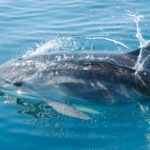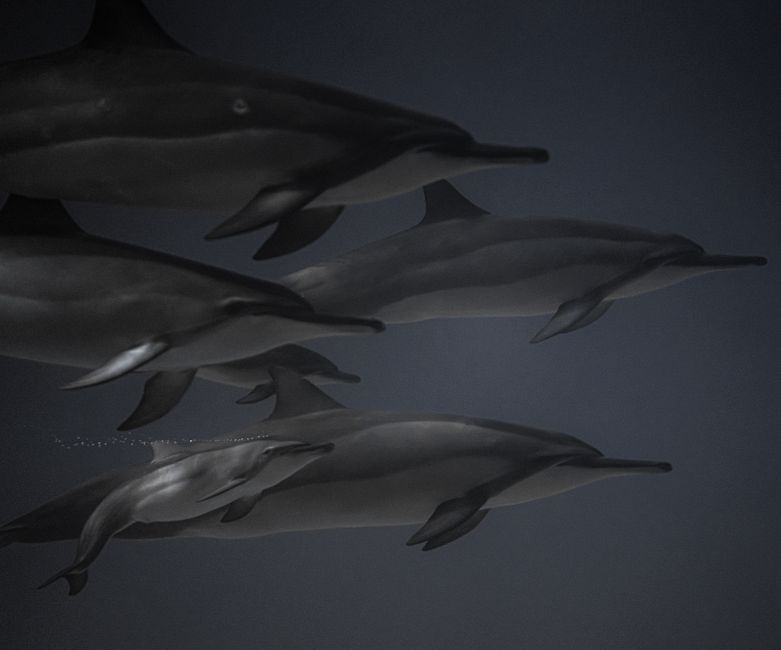

Dolphins are top predators that help maintain the balance of marine food webs. By controlling the numbers of fish, squid and other marine species, they influence the distribution of nutrients and the health of habitats such as seagrass beds and coral reefs. Their social behaviour and extensive movements also make them useful indicators of ocean health. In Europe, the presence of dolphins often reflects the effectiveness of marine protection measures, while their decline signals problems that can affect fisheries, tourism and coastal communities.
The ecological role of dolphins
Dolphins sit near the apex of many marine food chains. As carnivores, they mainly eat fish, cephalopods and occasionally crustaceans. This predation pressures prey populations, preventing any single species from dominating and thereby supporting biodiversity. For example, in the North Atlantic, bottlenose dolphins help keep populations of sandeel and herring in check, which in turn affects seabird breeding success and the availability of forage fish for larger predators such as cod.
Trophic cascades and habitat health
When dolphin numbers decline, their prey can increase unchecked, leading to overgrazing of primary producers. In the Mediterranean, overabundant sardine stocks have been linked to reduced zooplankton, which diminishes the growth of phytoplankton that form the base of the marine food web. This chain reaction can degrade water quality and diminish the productivity of fisheries that many European coastal towns rely on.
Dolphins as bio‑indicators
Because they travel long distances and require clean, oxygen‑rich water, dolphins are sensitive to changes in marine environments. Monitoring dolphin health—through strandings, acoustic surveys and satellite tagging—provides early warning signs of pollution, harmful algal blooms or climate‑related shifts in water temperature. In the Baltic Sea, the occasional sighting of harbour porpoises has prompted investigations that identified hidden sources of industrial contaminants.
Socio‑economic benefits
Ecotourism centred on dolphin watching generates income for coastal communities across Europe, from the Azores to the Croatian Adriatic. A well‑managed dolphin‑watching programme can create seasonal jobs, support local hospitality businesses and raise public awareness of marine protection. At the same time, healthy dolphin populations are linked to sustainable fisheries; balanced predator–prey relationships can improve catch quality and reduce the need for intensive fishing effort.
EU policy framework
The European Union recognises the importance of marine mammals through several pieces of legislation. The Habitats Directive (Council Directive 92/43/EEC) lists several dolphin species in Annex II, requiring member states to designate Special Areas of Conservation (SACs) that protect their habitats. The Marine Strategy Framework Directive (MSFD) obliges EU waters to achieve ‘Good Environmental Status’ by 2020, with marine mammals serving as a key indicator group. Additionally, the EU’s Common Fisheries Policy (CFP) incorporates ecosystem‑based management, acknowledging that protecting apex predators like dolphins contributes to overall stock health.
Key threats to European dolphins
- By‑catch: Dolphins are unintentionally caught in gill‑nets, trawl nets and purse seines, leading to mortality that can outpace natural reproduction.
- Noise pollution: Increased commercial shipping and offshore wind‑farm construction generate low‑frequency sounds that interfere with dolphin echolocation and communication.
- Pollution: Chemical contaminants such as PCBs, heavy metals and emerging micro‑plastics accumulate in dolphin tissues, affecting health and reproductive success.
- Climate change: Shifts in sea temperature and prey distribution force dolphins to alter their range, sometimes bringing them into conflict with fisheries.
Conservation actions in practice
Across the EU, a mix of legislative, scientific and community‑based measures aim to protect dolphins. Marine protected areas (MPAs) like the Pelagos Sanctuary (France, Italy, Monaco) restrict harmful fishing practices and monitor vessel traffic. The EU‑funded LIFE programme supports projects such as the “Dolphin Safe” initiative in the North Sea, which funds acoustic deterrents to keep dolphins away from fishing gear. Public education campaigns, often run by NGOs such as the Marine Conservation Society, encourage responsible dolphin‑watching and report illegal activities.
What individuals can do
While large‑scale policy is essential, everyday actions also matter. Choosing sustainably sourced seafood reduces pressure on the same fish stocks that dolphins rely on. Supporting operators that follow recognised dolphin‑watching guidelines helps minimise disturbance. Reporting any observed dolphin strandings or illegal fishing activity to national marine authorities contributes valuable data for conservation.
Frequently asked questions
Do dolphins really keep fish populations healthy?
Yes. By preying on medium‑sized fish, dolphins prevent any one species from becoming overly abundant, which helps maintain a diverse and stable ecosystem.
How does dolphin tourism affect the animals?
When managed responsibly—maintaining safe distances, limiting boat numbers and avoiding feeding—tourism has minimal impact and can fund conservation. Unregulated activities, however, can cause stress and alter natural behaviour.
Are all European dolphin species protected the same way?
No. Protection levels vary depending on national legislation and the specific listings in EU directives. For instance, the harbour porpoise enjoys strong protection in the Baltic, while the common dolphin receives broader habitat protections across the Atlantic and Mediterranean.
Can climate change make dolphin sightings more common in northern waters?
Warmer sea temperatures can shift prey northwards, prompting some dolphin species to extend their range. This may lead to increased sightings in areas like the North Sea, but it also raises the risk of new human‑wildlife conflicts.
What is the most serious threat to dolphins in EU waters?
By‑catch remains the leading cause of mortality for many species, especially in fisheries that use gill‑nets. Mitigation measures such as acoustic deterrents and gear modifications are critical.
Looking ahead
Protecting dolphins reinforces the health of entire marine ecosystems, with clear benefits for fisheries, tourism and coastal resilience. Continued investment in monitoring, stricter enforcement of existing directives and a shift towards ecosystem‑based fisheries management are essential steps. For European citizens, supporting sustainable seafood, responsible tourism and reporting illegal activities links everyday choices to the broader goal of a thriving ocean.