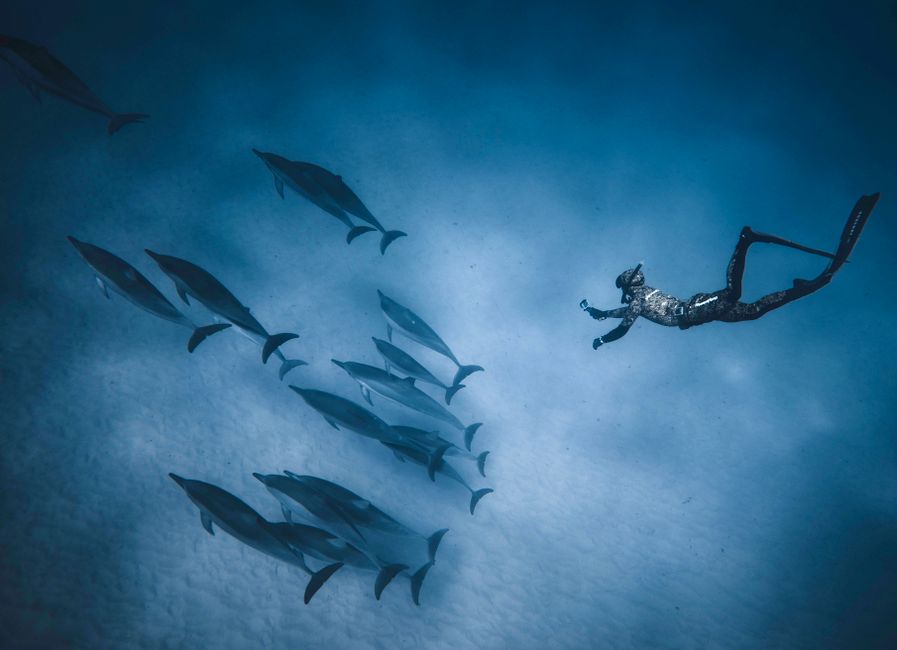

Supporting dolphin conservation does not have to involve costly tours or dubious donations. By checking the credibility of organisations, focusing on evidence‑based projects, and directing funds to transparent, EU‑linked initiatives, you can help wild dolphins while protecting your wallet. Simple steps such as verifying financial reports, opting for membership schemes, or contributing to habitat‑restoration grants ensure that your money goes where it is needed most. This guide explains how to assess projects, where to find trustworthy partners, and what alternative actions can make a genuine difference.
Why many dolphin‑related charities miss the mark
Marine‑focused charities are often well‑intentioned, but a proportion spend a large share of donations on administration, tourism promotion or publicity rather than direct conservation. In the EU, the Charity Commission (UK) and national oversight bodies require annual financial statements, yet not all organisations publish clear breakdowns. Some “charities” also use dolphin‑watch tours to generate income, which can disturb the very animals they claim to protect.
Key criteria for a trustworthy dolphin project
- Registered status and compliance. Look for registration with a national regulator (e.g., Charity Commission, German Vereinsregister) and confirm the latest annual report is publicly available.
- Transparent finances. A credible project will show the percentage of funds directed to on‑the‑ground work versus overhead. Aim for at least 70 % earmarked for conservation activities.
- Scientific backing. Projects should be based on peer‑reviewed research or partnerships with recognised institutions such as the European Marine Observation and Data Network (EMODnet) or university marine biology departments.
- Specific, measurable goals. Look for clear objectives (e.g., “reduce boat‑strike incidents by 30 % in the Gulf of Cadiz within three years”) and regular progress reports.
- Local involvement. Effective projects engage coastal communities, fishermen and local authorities, ensuring long‑term stewardship.
EU‑based organisations that meet the criteria
The following groups are examples of organisations that consistently publish detailed accounts and have demonstrable impact:
- Dolphin Action (Denmark) – runs a long‑term monitoring programme in the North Sea, funded partly by the EU LIFE programme.
- Marine Conservation Society (UK) – collaborates with the UK’s Department for Environment, Food & Rural Affairs (DEFRA) on dolphin strand‑line surveys.
- Fundación Biodiversidad (Spain) – implements habitat‑restoration projects in the Alboran Sea with transparent EU Horizon funding reports.
How to verify a project before giving money
Step 1 – Check the charity register
Visit the relevant national register (e.g., Charity Commission England & Wales, Registre des Associations in France) and search the organisation’s name. Confirm the registration number, governance structure and the latest filed accounts.
Step 2 – Review financial statements
Download the most recent annual report. Identify the line items for “programme expenses” versus “administrative costs”. If the report is missing or vague, consider the donation risky.
Step 3 – Look for third‑party assessments
Websites such as Charity Navigator (UK) or the European Foundation Centre provide ratings based on transparency and impact. Cross‑checking these scores can save time.
Step 4 – Assess the scientific basis
Search for publications linked to the project. A citation in a recognised journal or a partnership with a marine research institute indicates a data‑driven approach.
Alternative ways to support dolphin conservation without donating money
- Citizen‑science programmes. Participate in initiatives like the EU‑funded “DolphinWatch” app, which lets users log sightings, helping researchers map distribution patterns.
- Responsible tourism. Choose operators that follow the International Marine Tourism Society’s guidelines: limited vessel speed, no feeding, and mandatory briefings on dolphin behaviour.
- Political advocacy. Support EU directives that protect marine mammals, such as the 2008 Habitats Directive amendment that designates new marine protected areas (MPAs).
- Consumer choices. Avoid products linked to overfishing or habitat degradation, such as unsustainably sourced tuna, which indirectly harms dolphin prey stocks.
Common misconceptions about dolphin conservation
Many people assume that watching dolphins from boats is harmless. In reality, frequent boat traffic raises stress levels, disrupts feeding, and can lead to accidental collisions. Another myth is that “all dolphins are the same”. Species such as the Atlantic bottlenose dolphin (Tursiops truncatus) have different habitat needs compared to the common dolphin (Delphinus delphis); successful projects tailor actions to the specific species present.
Policy context: EU legislation that matters
The EU Marine Strategy Framework Directive (MSFD) sets a target of “good environmental status” for marine waters by 2020, including the conservation of marine mammals. Member states must develop monitoring programmes and report progress to the European Commission. Funding streams such as the LIFE programme and Horizon Europe frequently allocate resources to dolphin research and habitat protection. When a project cites these funding sources, it is more likely to align with EU policy and benefit from rigorous oversight.
How to make your contribution count
- Choose a project that meets the five criteria listed above.
- Donate directly through the organisation’s official website, avoiding third‑party fundraising platforms that may take a cut.
- Request a receipt that details the proportion of your donation allocated to field work.
- Follow up annually – many charities issue newsletters or impact statements. If updates stop, consider reallocating future support.
Frequently Asked Questions
Can I support dolphin conservation without giving money?
Yes. Volunteering for citizen‑science surveys, advocating for stronger marine protection policies, and choosing responsible tourism operators all contribute to dolphin welfare.
What is the most reliable way to check a charity’s impact?
Review the organisation’s annual report for measurable outcomes, such as the number of surveys conducted or the size of protected habitats created, and compare these with independent evaluations where available.
Do EU funds guarantee a project’s effectiveness?
EU funding requires rigorous project design and monitoring, but it does not guarantee success on its own. Projects must still demonstrate clear results and transparent accounting.
Are there tax benefits for donating to dolphin charities in the EU?
In most EU member states, donations to registered charities are tax‑deductible up to a certain limit. Check national tax authority guidance for exact percentages and claim procedures.
How can I tell if a dolphin‑watch tour is ecologically responsible?
Look for operators that limit boat speed to under 10 knots, maintain a minimum distance of 100 metres from the animals, and provide education on dolphin behaviour rather than encouraging feeding.
Choosing the right conservation project and supporting it responsibly ensures that your contribution helps protect dolphins without unnecessary expense. By applying the checks outlined above, you can trust that your support makes a real, measurable difference.