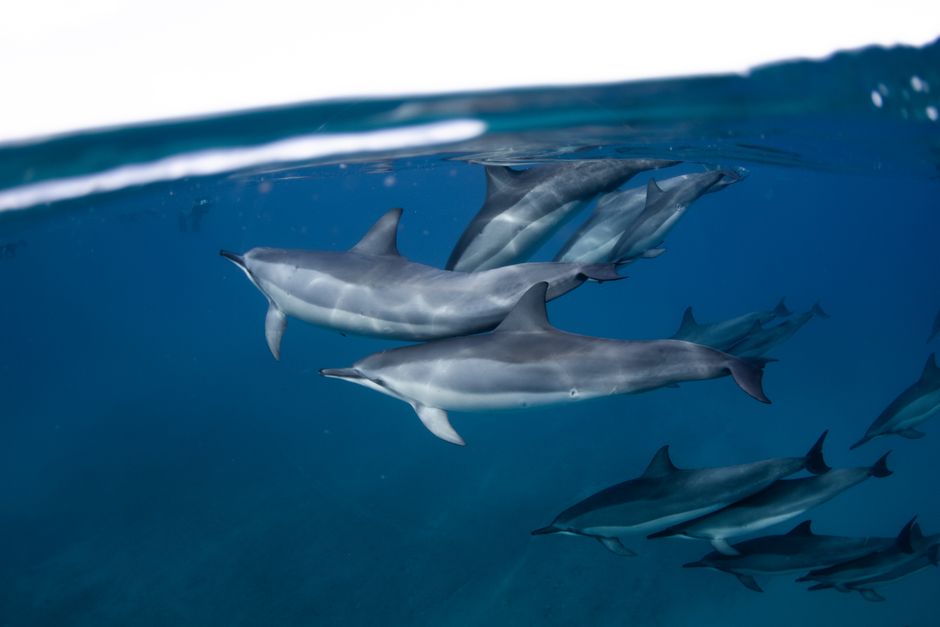

Dolphins are not a single species but a group of about 90 recognised species, each with a different conservation status. Some, such as the common bottlenose dolphin, are abundant and classified as Least Concern by the IUCN. Others, like the vaquita (a small porpoise often grouped with dolphins) or the Mediterranean monk seal‑related dolphin populations, face severe threats and are listed as Endangered or Critically Endangered. In European waters, the most at‑risk species are the harbour porpoise in the North Sea and the common dolphin in the Mediterranean. Protecting these animals depends on fisheries management, habitat protection and compliance with EU marine‑conservation policies.
How the IUCN Classifies Dolphin Species
The International Union for Conservation of Nature (IUCN) maintains a Red List that categorises species from Least Concern to Extinct. The assessment considers population size, trend, geographic range and the severity of threats. For dolphins, the most common categories are:
- Least Concern – Stable or increasing populations, e.g., bottlenose dolphin (Tursiops truncatus).
- Near Threatened – Populations approaching a decline that could qualify them for a higher risk category, e.g., Atlantic white‑sided dolphin.
- Vulnerable – Measurable decline of at least 30 % over ten years or three generations, e.g., Indo‑Pacific humpback dolphin.
- Endangered – Decline of at least 50 % or a very restricted range, e.g., Mediterranean common dolphin (Delphinus delphis).
- Critically Endangered – Decline of at least 80 % or extremely limited populations, e.g., vaquita (Phocoena sinus), which, while a porpoise, is often discussed with dolphins.
Key Threats Facing European Dolphin Populations
Although many dolphin species remain abundant, those that inhabit European seas encounter a set of recurring pressures.
By‑catch in Fisheries
Entanglement in gillnets and trawl nets is the leading cause of mortality for the harbour porpoise (Phocoena phocoena) in the North Sea and the Baltic. The EU’s Common Fisheries Policy (CFP) has introduced by‑catch mitigation measures, such as compulsory acoustic deterrent devices (pingers) in certain areas, but compliance varies between member states.
Habitat Degradation
Coastal development, dredging and pollution reduce the quality of feeding grounds. Heavy metals and organochlorine compounds accumulate in dolphin tissue, affecting reproduction. The EU Water Framework Directive obliges river basins to achieve “good ecological status,” indirectly aiding marine mammals that rely on estuarine habitats.
Noise Pollution
Shipping traffic, offshore wind‑farm construction and seismic surveys raise ambient noise levels, interfering with dolphins’ echolocation. The European Maritime Safety Agency has begun to map high‑noise zones, but regulatory limits are still under discussion.
Climate Change
Warming sea temperatures shift prey distribution, forcing some dolphin populations to migrate farther north. This can lead to new human‑wildlife interactions, such as increased sightings in the Atlantic coast of France, which may raise the risk of boat strikes.
Species of Particular Concern in the EU
While the majority of European dolphin species are not currently endangered, a few warrant special attention.
Harbour Porpoise (Phocoena phocoena)
Classified as Near Threatened globally but listed as Vulnerable in the Baltic Sea. The species suffers from high by‑catch rates; the Baltic International Trawl Survey estimated over 1,100 porpoise deaths annually in the region. National mitigation programmes, such as the Dutch “Porpoise Safe” initiative, have reduced losses where implemented.
Mediterranean Common Dolphin (Delphinus delphis)
Assessed as Endangered in the Mediterranean due to a steep decline in abundance—estimates suggest a 40 % reduction over the last three decades. Overfishing of sardine and anchovy stocks removes a key food source, while tourism‑related boat traffic increases collision risk.
Atlantic White‑Sided Dolphin (Lagenorhynchus acutus)
Considered Vulnerable in the Northeast Atlantic. The species is particularly sensitive to oil spills; the 2010 Deepwater Horizon incident demonstrated how rapidly oil can affect distant European waters through currents.
What EU Policy Does for Dolphin Conservation
European legislation provides several layers of protection.
- Habitats Directive (Council Directive 92/43/EEC) – Designates Special Areas of Conservation (SACs) for marine mammals. Over 30 marine SACs now include dolphin habitats.
- EU Marine Strategy Framework Directive (MSFD) – Requires member states to achieve good environmental status for marine waters, including the “absence of significant adverse effects” on marine mammals.
- Common Fisheries Policy (CFP) Reforms 2022 – Introduces stricter by‑catch limits and mandates the use of pingers in vulnerable areas.
- EU Action Plan for Marine Mammals (2021‑2025) – Sets targets for population monitoring, reduction of noise, and improved emergency response to strandings.
How Individuals Can Contribute
Public awareness and behaviour can complement policy measures.
- Choose sustainable seafood certified by the Marine Stewardship Council (MSC) to reduce pressure on fish stocks that dolphins rely on.
- Avoid feeding wild dolphins; it encourages dependence and can spread disease.
- Report strandings or unusual behaviour to national wildlife agencies; data help track population health.
- Support marine‑protected‑area initiatives in your country, often managed by NGOs and local authorities.
Common Misconceptions
“All dolphins are safe from extinction.” – The term “dolphin” masks a diversity of species, many of which have very small, fragmented populations.
“Marine mammals are protected everywhere in the EU.” – Protection levels vary; some coastal waters lack designated SACs, and enforcement of by‑catch mitigation can be inconsistent.
FAQ
Are dolphins protected under EU law?
Yes. The Habitats Directive, Marine Strategy Framework Directive and recent amendments to the Common Fisheries Policy provide a legal framework for protecting dolphin species and their habitats across member states.
Which dolphin species is most at risk in Europe?
The Mediterranean common dolphin is listed as Endangered and faces the steepest decline due to overfishing, habitat loss and boat traffic.
Can I see dolphins in European waters without harming them?
Observing dolphins from a distance, preferably from a vessel that follows local wildlife‑watching guidelines, minimises disturbance. Feeding or approaching too closely is discouraged.
Do offshore wind farms threaten dolphins?
The construction phase generates noise that can disrupt echolocation, but modern mitigation—such as “soft‑start” pile‑driving and designated quiet zones—reduces impact. Once operational, wind farms provide a no‑fishing buffer that can benefit some marine species.
How reliable are population estimates for dolphins?
Estimates combine aerial surveys, acoustic monitoring and strandings data. While methodology has improved, uncertainties remain, especially for pelagic species that spend much time out of sight.
What role does climate change play?
Warming seas shift the distribution of prey, forcing dolphins to alter migration routes. This can expose them to new threats, such as increased ship traffic in previously quiet areas.
Understanding the varied conservation status of dolphin species helps focus effort where it matters most. While many dolphins thrive, several European populations need sustained protection, sound policy implementation and public engagement to avoid a slide towards endangerment.