Why dolphins are especially vulnerable to plastic waste
Dolphins live in the same marine zones where most plastic debris ends up: coastal waters, estuaries, and offshore gyres. Their biology and behaviour make them more likely to encounter plastics than many other marine species.
- Surface feeding. Many dolphin species hunt near the water’s surface, where floating debris collects.
- Social hunting. Pods often chase schools of fish together, increasing the chance that a single individual will ingest a plastic particle that a prey item has swallowed.
- Long lifespan. Dolphins can live 30–50 years, giving plastics many years to accumulate in their bodies.
- High metabolic rate. They need to eat large amounts of food daily; even a small amount of plastic can quickly become a significant toxin load.
How plastic enters dolphin bodies
Plastic reaches dolphins through three main pathways: ingestion, entanglement, and indirect exposure via contaminated prey.
1. Direct ingestion of macro‑plastics
Large items such as fishing lines, nets, bottle caps, and fragments of packaging can be mistaken for fish or squid. Dolphins have been observed biting and swallowing such items, especially when the plastic floats near a feeding frenzy.
2. Ingestion of micro‑plastics
Micro‑plastics are pieces smaller than five millimetres. They originate from the breakdown of larger debris or are manufactured at that size (e.g., microbeads). When dolphins filter water while feeding or swallow prey that has already accumulated micro‑plastics, the particles pass into their digestive tract.
3. Indirect exposure via the food chain
Plankton, small fish, and squid readily ingest micro‑plastics. Dolphins then eat these contaminated organisms, transferring the plastics—and the chemicals attached to them—up the trophic ladder.
Physical impacts of plastic on dolphins
Physical harm can be immediate or develop over months.
- Gastrointestinal blockage. A single plastic bag or a tangle of fishing line can obstruct the stomach or intestines, leading to reduced feeding, malnutrition, and eventual death.
- Internal abrasions. Sharp fragments can puncture or lacerate the gut lining, causing infection and chronic inflammation.
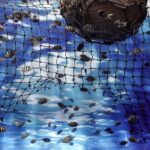
- Entanglement. While more common in sea turtles and seals, dolphins can become wrapped in discarded nets or ghost gear. Entanglement restricts movement, causes skin lesions, and can drown the animal if breathing is impeded.
- Respiratory compromise. Occasionally, a dolphin will inhale a small plastic piece while surfacing for air, leading to choking or pulmonary inflammation.
Chemical consequences of plastic exposure
Plastics are not inert. They contain additives (plasticisers, flame retardants, UV stabilisers) and attract persistent organic pollutants (POPs) from seawater. When dolphins ingest plastic, they also ingest these chemicals.
Bioaccumulation and biomagnification
Because dolphins sit near the top of the marine food web, chemicals stored in their bodies increase with each feeding cycle. Studies have found measurable levels of:
- Polybrominated diphenyl ethers (PBDEs) – used as flame retardants.
- Polychlorinated biphenyls (PCBs) – industrial coolants.
- Bisphenol A (BPA) – a plasticiser.
These substances can disrupt hormone function, impair immune response, and affect reproductive success.
Endocrine disruption and reproductive effects
Research on captive and wild dolphins shows a correlation between high plastic‑derived chemical loads and reduced calf survival, delayed puberty, and lower sperm quality. The mechanisms involve interference with estrogen and testosterone pathways, leading to fertility problems that can affect entire populations.
Population‑level implications
When individual health declines, population dynamics shift.
- Reduced calf survival. Young dolphins are more vulnerable to toxin‑induced immune weakness, making them more likely to succumb to disease.
- Altered social structure. Injured or sick individuals may be excluded from pod activities, disrupting the cooperative hunting and calf‑rearing that dolphins rely on.
- Long‑term genetic impacts. Persistent reproductive failure can reduce genetic diversity, making populations less resilient to other stressors such as climate change or disease.
Geographic hotspots where dolphin‑plastic interactions are documented
Not all regions experience the same level of risk. The following areas have recorded notable incidents:
| Region | Typical Dolphin Species | Key Plastic Sources |
|---|---|---|
| Western Atlantic (Caribbean) | Spinner dolphin, Bottlenose dolphin | Tourism‑related litter, abandoned fishing gear |
| Eastern Pacific (Coastal Mexico, Peru) | Common dolphin, Pacific white‑sided dolphin | Industrial discharge, plastic microbeads |
| Mediterranean Sea | Striped dolphin, Risso’s dolphin | Urban runoff, ship ballast water |
| Indian Ocean (Sri Lanka, Maldives) | Indo‑Pacific bottlenose dolphin | Fishing nets, plastic bottles |
These hotspots align with dense human activity, poor waste‑management infrastructure, and high fishing pressure.
What individuals can do to reduce the threat
Action at the personal level compounds when many people adopt similar habits. The following steps have a direct, measurable impact on the amount of plastic entering marine environments.
1. Minimise single‑use plastic consumption
- Carry reusable water bottles, coffee cups, and shopping bags.
- Choose unpackaged or bulk foods where possible.
- Avoid products that contain micro‑beads (found in some personal‑care items).
2. Properly manage waste
- Separate recyclables from landfill waste according to local guidelines.
- Participate in community clean‑up events, especially beach or river clean‑ups that prevent debris from reaching the sea.
- Report illegal dumping to municipal authorities.
3. Support responsible fisheries
- Purchase seafood certified by reputable programmes that require gear loss reporting and reduction (e.g., MSC, Dolphin Safe).
- Advocate for the use of biodegradable or tethered fishing gear in your region.
4. Reduce plastic that becomes marine litter
- Secure lids on trash bins and use dog‑waste bags that are biodegradable.
- When travelling, bring a small “leave no trace” kit that includes bags for stray plastics.
5. Influence policy through informed voting and advocacy
- Support legislation that bans single‑use plastics, funds recycling infrastructure, or requires manufacturers to take back packaging.
- Back NGOs that monitor marine debris and run dolphin‑rescue programs.
How communities can amplify impact
Local actions often have a ripple effect. Effective community measures include:
- Education campaigns. School programmes that teach children about marine litter and its impact on wildlife foster lifelong stewardship.
- Infrastructure upgrades. Installing more public recycling stations and providing separate containers for fishing gear reduce accidental loss.
- Citizen‑science projects. Initiatives that record plastic debris on coastlines generate data that informs regional policies.
- Partnerships with tourism operators. Certified “plastic‑free” tours reduce litter on popular dolphin‑watching sites.
Technological and scientific advances targeting the problem
While personal and community actions are critical, innovation helps address the scale of plastic pollution.
- Biodegradable fishing gear. Nets made from polymers that break down within months reduce ghost‑gear incidents.
- Ocean‑cleaning devices. Passive collection systems anchored in high‑debris zones can capture macro‑plastics before they fragment.
- Micro‑plastic filters. Emerging filtration technologies for wastewater treatment plants can capture particles smaller than 0.1 mm.
- Remote sensing. Satellite and drone mapping of surface debris helps responders target clean‑up efforts where dolphin habitats overlap.
Balancing hope with realistic expectations
Progress is measurable: several countries have reduced coastal plastic input by 30 % over the past decade, and some dolphin populations have shown stable birth rates where plastic pollution is lowered. However, the global production of plastic continues to rise, and existing debris persists for decades.
The key takeaway is that mitigating plastic’s impact on dolphins requires sustained effort across individual behaviour, community action, industry responsibility, and policy change. Each layer reinforces the others, creating a network of protection that can slow, and eventually reverse, current trends.