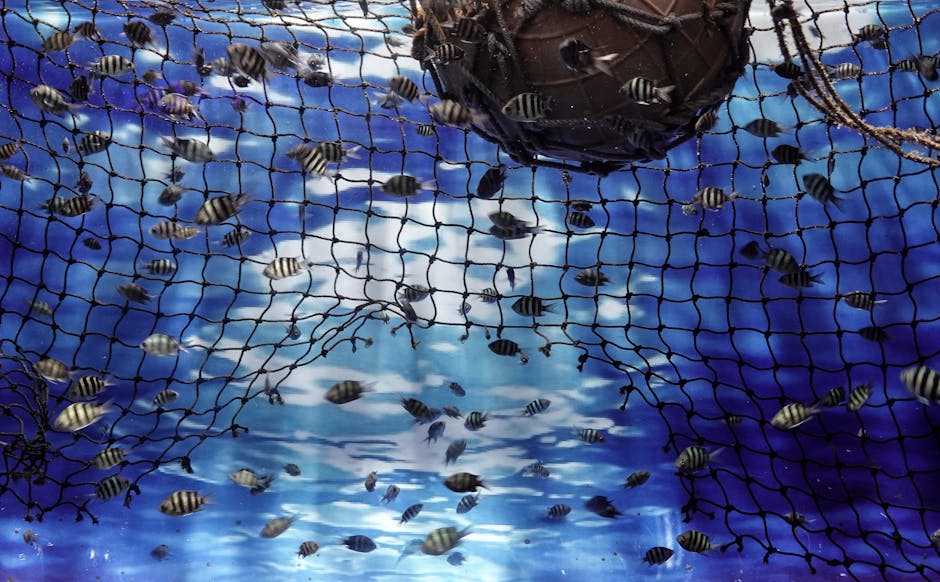

What is bycatch and why does it matter for dolphins?
Bycatch is the capture of non‑target species during commercial fishing operations. It includes fish, sea turtles, seabirds, and marine mammals such as dolphins. Unlike the species that fishermen are trying to land, bycatch animals are usually discarded alive, injured, or dead. For dolphins, the consequences can be severe because many species are already vulnerable to habitat loss, pollution, and climate change.
When a dolphin becomes entangled in a gillnet, trawl net, or purse‑seine, it may be unable to surface for air, suffer cuts from the rope, or experience a stress response that leads to long‑term health problems. Even a single entanglement can kill an individual, and repeated incidents can depress local populations, especially for coastal or resident groups that do not migrate long distances.
Which fishing gear puts dolphins at the greatest risk?
Not all gear is equally hazardous. The following list highlights the main types of nets associated with dolphin bycatch, with a brief explanation of why each is problematic.
- Gillnets – Long panels of mesh that hang vertically in the water column. Dolphins may swim into the net while chasing fish and become trapped by the fine mesh around the head and tail.
- Purse‑seine nets – Large curtains that encircle schools of fish. When purse‑seine vessels target baitfish that dolphins follow, the dolphins can be drawn into the net and crushed as the net is closed.
- Bottom trawls – Heavy doors drag a net across the seabed. Dolphins that dive to feed on demersal fish can become ensnared in the mouth of the trawl.
- Set nets (e.g., seine and drift nets) – Nets anchored at both ends or left to drift. Their extensive reach can intersect dolphin pathways, especially in coastal bays where dolphins hunt.
How do dolphins become entangled?
The process varies with gear type, but three common mechanisms recur.
1. Mistaking nets for prey
Many dolphin species hunt using echolocation. When a net contains a high density of fish, the echo can mimic a school, prompting the dolphin to approach. In a gillnet, the dolphin may bite at the mesh, causing its mouth to become trapped.
2. Chasing bait fish that are already caught
In purse‑seine fisheries, bait fish are herded into a bait ball. Dolphins follow the bait, and as the net is drawn around the school, the dolphins are inadvertently pulled in.
3. Accidental contact while feeding near the seabed
Bottom‑trawl operations stir up sediment and attract fish. Dolphins dive to exploit the feeding opportunity, and the open mouth or flippers can get caught on the trawl mouth or on the doors that guide the net.
What are the ecological consequences of dolphin bycatch?
Beyond the loss of individual animals, bycatch creates ripple effects throughout marine ecosystems.
- Population decline – Small, isolated groups cannot replace lost members quickly. A sustained bycatch rate of even a few percent per year can push a local population toward extinction over decades.
- Altered predator‑prey dynamics – Dolphins help regulate fish stocks. Fewer dolphins may allow certain fish species to proliferate, potentially leading to overgrazing of plankton and changes in water quality.
- Genetic bottlenecks – Repeated removal of mature adults reduces genetic diversity, making the remaining population less resilient to disease and environmental change.
- Tourism impact – In many coastal regions, dolphin watching is an important source of income. Declining dolphin numbers can diminish tourism revenue and reduce public support for marine protection.
What mitigation measures exist and how effective are they?
Several technical, regulatory, and community‑based approaches have been developed to reduce dolphin bycatch. Their success depends on gear type, regional compliance, and enforcement capacity.
Acoustic deterrent devices (ADDs)
ADDs emit high‑frequency sounds that dolphins find uncomfortable. When attached to gillnets, they can encourage dolphins to avoid the net’s vicinity. Field trials show reductions in bycatch of 30‑70 % in some fisheries, but effectiveness varies with species’ hearing ranges and with ambient noise levels.
Modifications to net design
- Visual markers – Brightly coloured floats or reflective tape make nets more visible to dolphins, decreasing accidental encounters.
- Escape panels – Small sections of mesh with a larger opening allow a trapped dolphin to free its head or flippers.
- Reduced mesh size – Larger mesh may allow a dolphin’s snout to pass through, though this can reduce target catch efficiency and is not suitable for all fisheries.
Temporal and spatial closures
Many regions impose seasonal bans on certain gear in waters known to be dolphin hotspots. For example, the Mediterranean imposes a “dolphin-safe” period during the summer months when bottlenose dolphins aggregate around sardine schools. These closures can lower bycatch by up to 80 % during the restricted period, but they require accurate monitoring of dolphin movements.
Observer and electronic monitoring programs
Trained observers on board record bycatch incidents, providing data that can trigger management actions. In high‑value fisheries, electronic cameras and sensor systems now supplement human observers, offering continuous coverage and reducing reporting bias.
Community engagement and alternative livelihoods
In coastal communities where small‑scale fishers rely on gillnets, NGOs have introduced alternative income streams such as ecotourism or aquaculture. When fishers see direct economic benefit from preserving dolphins, compliance with bycatch reduction measures improves.
Why does bycatch persist despite these tools?
Several systemic factors keep bycatch rates high.
- Economic pressure – Gear that reduces bycatch often also reduces target catch or increases labor costs. For fishers operating on thin margins, the perceived trade‑off discourages adoption.
- Lack of enforcement – Remote fisheries are difficult to patrol. Even where regulations exist, limited resources mean violations go unchecked.
- Data gaps – Many fisheries, especially in developing nations, lack reliable bycatch reporting. Without solid data, managers cannot set appropriate limits or assess the impact of mitigation.
- Technological limitations – Some deterrent devices are not effective across all dolphin species, particularly those with broader hearing ranges or those that rely less on echolocation.
- Culture and tradition – In areas where certain net types have been used for generations, changing practices can meet resistance.
How are researchers measuring dolphin bycatch?
Accurate measurement is essential for policy. The main approaches include:
- On‑board observers – Direct visual confirmation of entanglements. Provides high‑quality data but is costly and limited to a fraction of trips.
- Electronic monitoring (EM) – Video, acoustic, and GPS data collected automatically. EM can cover more vessels, though it requires robust algorithms to detect bycatch events.
- Stranding networks – Coastal agencies record dolphins that wash ashore with net marks. While useful, strandings only represent a subset of total interactions.
- Fisher self‑reporting – Incentivized logbooks where fishers record bycatch. Reliability varies widely.
Combining these methods yields a more complete picture. For instance, the International Whaling Commission’s “Bycatch Working Group” recommends a hybrid system where electronic monitoring validates a random sample of self‑reported data.
What regional examples illustrate the challenge?
Indian Ocean: Indo‑Pacific humpback dolphins
Coastal gillnet fisheries in Indonesia and the Philippines target anchovies and sardines. Studies estimate that up to 10 % of the local humpback dolphin population may be lost each year to net entanglement. Efforts to introduce acoustic deterrents have shown modest success, but high gear density and limited enforcement keep bycatch rates high.
Atlantic: Atlantic spotted dolphins in the Bahamas
Purse‑seine vessels targeting flying fish also capture large schools of baitfish that dolphins follow. A management plan introduced in 2015 required vessel‑borne observers and the use of “dolphin-safe” nets with escape panels. By 2022, reported dolphin bycatch dropped by roughly 40 %, but occasional spikes occur during peak tourism seasons when fishing pressure intensifies.
Mediterranean: Common dolphins in the Adriatic Sea
The Adriatic supports a dense population of common dolphins that seasonally aggregate near trawl grounds. Italian and Croatian fisheries have adopted a “no‑trawl” zone during the dolphins’ breeding season, resulting in a measurable increase in calf survival. However, illegal drift‑netting persists, undermining the overall benefit.
What can be done to move forward?
Reducing dolphin bycatch will require coordinated action across science, policy, and industry.
- Strengthen data collection – Expand observer programs and subsidize electronic monitoring for small‑scale fisheries.
- Incentivize gear innovation – Provide financial or market incentives for fishers who adopt dolphin‑friendly nets, such as certification schemes that reward low‑bycatch operations.
- Enhance enforcement – Use satellite‑based vessel tracking and community patrols to increase compliance with closures and gear regulations.
- Promote knowledge sharing – Create regional platforms where successful mitigation techniques can be exchanged, adapting solutions to local ecological and socio‑economic contexts.
- Integrate dolphin conservation into fisheries management – Include bycatch limits and mitigation requirements in official fishery management plans, rather than treating them as an add‑on.
Each step adds a layer of protection. When combined, they can shift the baseline from “bycatch is an unavoidable cost” to “bycatch is a managed risk that we actively reduce.”