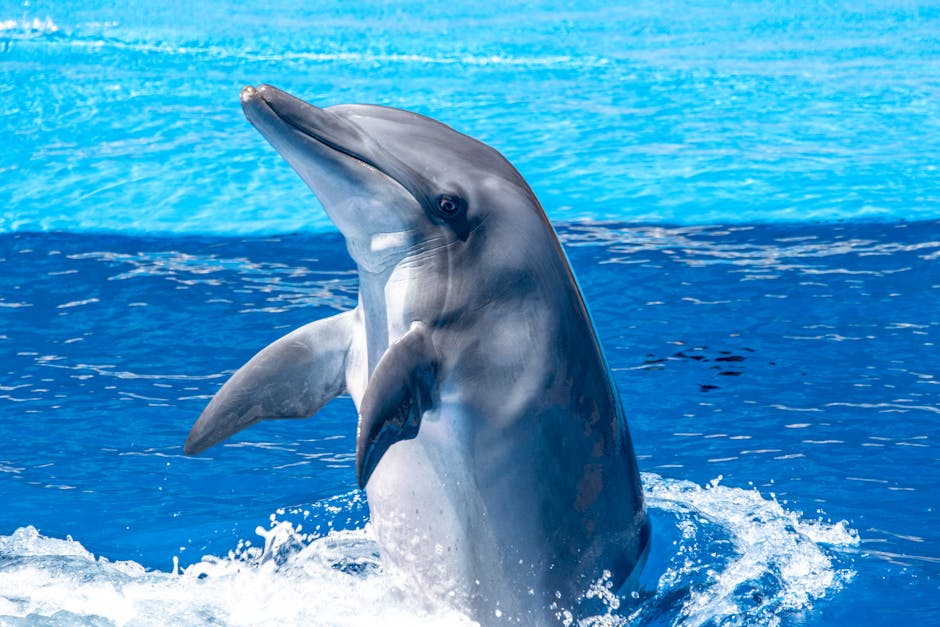

What does “captive” really mean for dolphins?
The word “captive” is often used loosely. In the context of dolphins, it refers to any individual that lives under human control for an extended period. Captivity can take several forms:
- Marine‑park or theme‑park enclosures – large, purpose‑built pools that mimic a few meters of ocean depth.
- Research facilities – smaller tanks where dolphins are studied for physiological or behavioral science.
- Rescue or rehabilitation centers – temporary homes for injured or stranded animals, some of which become long‑term residents.
All of these settings involve restricted movement, artificial lighting, and human‑directed feeding. The contrast with wild dolphins—who roam open seas, hunt freely, and form complex social networks—underpins most of the ethical, physiological, and behavioral differences discussed in this article.
How do the living conditions differ?
Understanding the physical environment is the first step in comparing captive and wild dolphins.
Space and depth
Wild dolphins travel dozens to hundreds of kilometers each day. Oceanic species, such as the common bottlenose (Tursiops truncatus) or the Indo‑Pacific spinner (Stenella longirostris), routinely dive to depths of 50 m or more and surface for breathing. In contrast, the deepest pool in any public marine park is usually under 5 m, and the total water volume is measured in thousands, not millions, of cubic meters.
Water quality
Natural seawater is constantly refreshed by tides, currents, and weather. It contains a full complement of microorganisms, plankton, and trace minerals that help maintain a stable pH and nutrient balance. Captive systems rely on mechanical filtration, UV sterilizers, and chemical treatments to keep pathogens at bay. Even the best‑maintained tanks experience fluctuations in temperature, salinity, and dissolved oxygen that would be unusual in a healthy ocean habitat.
Acoustic environment
Dolphins depend on sound for navigation, foraging, and social interaction. In the wild, the ocean provides a complex acoustic backdrop—ambient noise from waves, distant marine mammals, and geological activity. In captivity, the acoustic space is narrower and often polluted by human‑made sounds: pump hum, visitor chatter, and music played for entertainment. This can alter a dolphin’s vocal repertoire and affect stress levels.
Do captive dolphins live as long as their wild counterparts?
Longevity is a common metric used to gauge animal welfare, but raw numbers can be misleading without context.
- Wild bottlenose dolphins typically live 20–30 years, with individuals documented beyond 40 years in some regions.
- Captive bottlenose dolphins have recorded lifespans ranging from 25 to 45 years, depending largely on the quality of care, genetics, and medical intervention.
Several factors influence these ranges:
Health care and disease
Captive dolphins receive regular veterinary check‑ups, vaccinations, and parasite control. They benefit from prompt treatment of injuries that might be fatal in the wild. However, the artificial environment can foster unique health problems, such as chronic skin lesions from pool chemicals, repeated ear infections from stagnant water, and a higher incidence of certain cancers.
Dietary differences
Wild dolphins eat a varied diet of fish, squid, and crustaceans, often switching prey based on seasonal availability. Captive diets are curated to meet nutritional needs but may lack the natural variety and foraging challenge. Over‑feeding or nutrient imbalances can lead to obesity and metabolic disorders.
Stress and mental health
Long‑term stress can shorten lifespan. Indicators such as elevated cortisol, stereotypic swimming patterns, and reduced social play suggest that some captive dolphins experience chronic stress. In the wild, stressors are often acute (e.g., predator encounters) and followed by recovery periods, whereas captive stressors can be constant.
What behavioral changes are observed in captivity?
Behavior is a window into an animal’s welfare. Comparing captive and wild dolphins reveals several consistent patterns.
- Reduced repertoire of vocalizations – Captive dolphins often use fewer whistle types and may repeat the same sounds for training cues.
- Limited foraging behavior – In the wild, hunting involves chase, herd coordination, and problem‑solving; captive feeding is passive (hand‑out fish) or involves simple enrichment tasks.
- Increased stereotypies – Repetitive, purposeless behaviors such as pacing along the pool edge, swimming in tight circles, or repeatedly rubbing against structures.
- Altered social structures – Wild pods consist of fluid, hierarchical relationships that can include up to 30 individuals. Captive groups are usually smaller (2–10) and may be assembled without regard for natural compatibility, leading to aggression or chronic isolation.
Researchers use ethograms—catalogues of observable actions—to quantify these differences. Studies consistently find that captive dolphins display a higher proportion of “inactive” or “abnormal” behaviors compared to their wild counterparts.
How does training affect dolphins in captivity?
Training is central to most marine‑park programs. It serves multiple purposes: husbandry (e.g., voluntary health exams), public performance, and research cooperation.
Positive‑reinforcement techniques
Most modern facilities employ clicker‑training, which rewards desired actions with fish or toys. When applied correctly, this method can foster trust and reduce fear. However, the same techniques can also be used to condition dolphins to perform unnatural tricks, such as jumping through hoops or balancing balls on their heads.
Impact on cognition
Training sessions stimulate problem‑solving and can expand a dolphin’s cognitive repertoire. Yet, the range of tasks is typically narrow, focusing on visual cues and simple motor patterns. Wild dolphins engage in hunt‑strategies, navigation, and inter‑species communication that far exceed the complexity of most training routines.
Potential for dependency
Because food and medical care are provided by trainers, captive dolphins may become reliant on human interaction for basic needs. This dependency can make re‑wilding attempts (if ever contemplated) extremely difficult, as the animal may lack both the skills and the confidence to survive independently.
Are there any benefits to keeping dolphins in captivity?
While the ethical debate is intense, a balanced view must acknowledge documented benefits.
- Conservation education – Live dolphin presentations can inspire visitors to support marine protection, provided the messaging is science‑based and not purely entertainment.
- Research opportunities – Controlled environments enable detailed physiological monitoring, acoustic studies, and medical advances that would be impossible in the open ocean.
- Rescue and rehabilitation – Facilities equipped for long‑term care can give injured or orphaned dolphins a chance to recover, sometimes returning them to the wild.
- Veterinary advances – Techniques such as ultrasound imaging, surgery under anesthesia, and prosthetic limb development have been refined on captive dolphins and later applied to wild populations.
These advantages do not outweigh the welfare concerns for many critics, but they illustrate why the issue is not simply black‑and‑white.
What regulations govern dolphin captivity?
Legal frameworks vary by country, but common themes include:
- Licensing and permits – Operators must obtain permits that specify enclosure size, animal numbers, and veterinary oversight.
- Animal welfare standards – Many jurisdictions require enrichment programs, regular health checks, and environmental enrichment audits.
- International guidelines – Organizations such as the World Association of Zoos and Aquariums (WAZA) and the International Union for Conservation of Nature (IUCN) provide non‑binding best‑practice recommendations.
- Public disclosure – Some regions mandate annual reports on mortality, breeding, and transfers to ensure transparency.
Compliance does not guarantee high welfare; enforcement and inspection rigor differ widely. Critics argue that existing regulations often focus on appearance rather than the fundamental needs of a highly intelligent, wide‑ranging marine mammal.
Can captive dolphins ever be released back into the wild?
Re‑wilding is rare and contentious. Successful releases require:
- Proven ability to hunt and navigate without human assistance.
- Absence of disease that could spread to wild populations.
- Genetic compatibility with local stocks to avoid disrupting existing social structures.
- Suitable habitat with minimal human disturbance.
Only a handful of cases have been documented, most involving juveniles rescued as calves and kept briefly in captivity before release. Adult dolphins that have spent years in tanks typically lack the necessary foraging skills and display high stress when exposed to open water. The consensus among marine biologists is that, for the majority of captive dolphins, release is not a viable welfare option.
How do public perceptions shape the captive‑dolphin debate?
Public opinion is shaped by three main channels:
- Media coverage – Documentaries highlighting cruelty or, conversely, showcasing charismatic performances influence sentiment.
- Scientific reporting – Peer‑reviewed studies on stress hormones, brain morphology, and lifespan inform policy discussions.
- Activist campaigns – Organizations such as the Dolphin Project or SeaWorld’s former “Save the Whales” initiative mobilize petitions, protests, and legislative lobbying.
Surveys in North America and Europe show growing skepticism toward dolphin shows, especially among younger demographics. At the same time, a segment of the audience still values live encounters for educational purposes. Understanding this split helps explain why some facilities have shifted from performance‑based models to “conservation‑focused” presentations that emphasize natural behavior.
What should a reader take away when evaluating captivity claims?
To assess any statement about captive vs. wild dolphins, consider the following checklist:
- Source credibility – Is the information coming from peer‑reviewed research, a reputable marine‑science institution, or an advocacy group with a known agenda?
- Specificity of data – Look for concrete figures (e.g., pool volume, average lifespan) rather than vague comparisons.
- Context of captivity – Distinguish between short‑term rescue care and lifelong entertainment‑park housing.
- Measured outcomes – Is the claim based on observable behavior, physiological markers, or anecdotal observation?
- Regulatory environment – Are the facilities operating under stringent welfare standards or minimal oversight?
Applying this framework helps cut through sensational headlines and arrive at a nuanced understanding of what captivity means for dolphin health, behavior, and ethics.