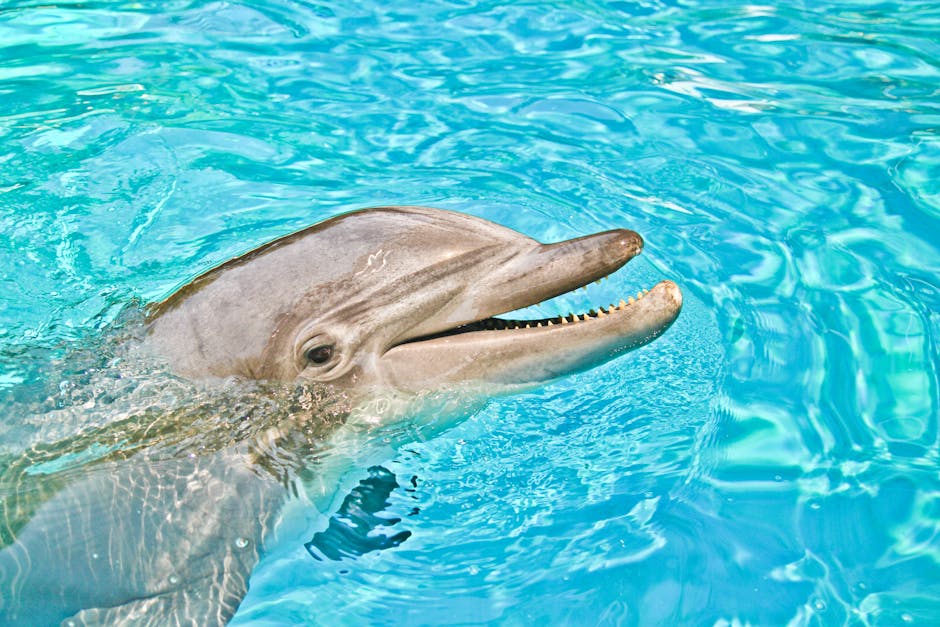

Why a Dolphin Might End Up on Shore
Dolphins are highly mobile marine mammals, but they can become beached or appear injured for a range of reasons. Understanding these causes helps you decide how to act.
- Illness or injury: Parasites, infections, or trauma from boat strikes may weaken a dolphin and force it toward shallow water.
- Disorientation: Sudden changes in water temperature, strong currents, or acoustic disturbances (such as sonar or loud boat engines) can confuse a dolphin’s navigation system.
- Social behavior: Dolphins travel in pods. If a dominant individual is sick, younger members may stay close and inadvertently strand together.
- Environmental factors: Low tides, storm surges, or sandbars can trap a dolphin that was feeding near the coast.
First Steps: Assess the Situation Safely
The instinct to rush to a dolphin’s side is understandable, but safety for you, the animal, and other beachgoers comes first.
1. Keep a safe distance
Stay at least 25 feet (8 meters) away. Dolphins can become aggressive when stressed, and a sudden movement may trigger a defensive reaction.
2. Observe before you act
Take note of the following details:
- Is the dolphin fully out of the water or partially submerged?
- Does it appear stunned, unconscious, or breathing heavily?
- Are there visible injuries – cuts, bruises, or a broken dorsal fin?
- Is the tide rising or falling?
- How many dolphins are present? A solitary individual may need different help than a pod that is stranded together.
These observations will be valuable when you contact authorities.
Who to Call: Getting Professional Help
Local wildlife agencies have the expertise and equipment to handle marine mammals. In most coastal regions, the appropriate contacts are:
- Marine Mammal Stranding Network (MMSN): A coalition of state and provincial agencies that coordinate rescue efforts.
- U.S. Fish and Wildlife Service (USFWS) – Marine Mammal Hotline: 1‑800‑344‑9268 (U.S. only).
- Local Coastal Police or Harbor Patrol: They can block traffic and prevent further disturbance.
- Certified marine mammal rehabilitators: Private or nonprofit groups trained in dolphin care.
When you call, provide the exact location (GPS coordinates if possible), the time you first saw the dolphin, and the observations you recorded. The dispatcher will give you specific instructions and an estimated arrival time.
Do and Don’t List While Waiting for Help
Even a brief period before responders arrive can have a big impact on the dolphin’s chance of survival. Follow these guidelines:
Do
- Keep the area quiet: Ask nearby people to lower their voices and turn off radios or music.
- Shade the animal: If the sun is strong and the dolphin is out of the water, use a light blanket or a towel (never plastic) to cover its back. This reduces overheating and sunburn.
- Keep the dolphin wet: Gently pour sea water over the animal using a bucket or hose set to a gentle flow. Do not use fresh water; the salt balance is essential for the dolphin’s skin.
- Monitor breathing: A healthy dolphin will surface to breathe every 30–60 seconds. Count the breaths to note any irregularities.
- Maintain a clear path: Ensure that rescue personnel will have easy access from the water to the animal.
Don’t
- Attempt to push the dolphin back into the water yourself.
- Touch the animal’s eyes, blowhole, or any open wounds.
- Use fresh water, ice, or alcohol to “cool” the animal.
- Leave children or pets unsupervised near the dolphin.
- Move the dolphin unless instructed by a qualified responder.
Understanding Dolphin Physiology: Why Proper Handling Matters
Dolphins are warm‑blooded mammals that rely on a thick layer of blubber for insulation. Their skin is highly sensitive to temperature changes, solar radiation, and chemical irritants. Removing them from water for even a short time can lead to:
- Heat stress and dehydration.
- Skin lesions caused by sunburn.
- Disruption of the salt balance in their mucous membranes, leading to respiratory distress.
Because of these risks, professional responders use specialized stretchers, wet blankets, and sometimes oxygen tents to keep the animal stable during transport.
Common Myths About Dolphin Rescue
Many well‑meaning bystanders act on inaccurate advice found online. Below are the most frequent misconceptions and the facts that correct them.
- Myth: “You can push a dolphin back into the sea with a rope.”
Fact: A dolphin’s body weight is supported by buoyancy; forcing it can cause spinal injury. - Myth: “Fresh water will keep it hydrated.”
Fact: Fresh water removes the protective salt layer, leading to skin cracking and respiratory irritation. - Myty: “If the dolphin is breathing, it’s okay to leave it alone.”
Fact: Breathing normally does not indicate the animal is unharmed. Internal injuries or illness may not be visible. - Myth: “All dolphins can right themselves if you give them a few minutes.”
Fact: Weak or injured individuals often lack the strength to roll over without assistance.
Legal Protections and Reporting Obligations
In many countries, dolphins are protected under national wildlife laws. In the United States, the Marine Mammal Protection Act (MMPA) makes it illegal to harass, capture, or kill a dolphin without a permit. Similar statutes exist in Canada (the Marine Mammal Regulations), the UK (the Conservation of Habitats and Species Regulations), and Australia (the Environment Protection and Biodiversity Conservation Act).
Violating these laws can result in fines or criminal charges. Even well‑intentioned actions, such as moving the animal without permission, may be considered “harassment.” Reporting the sighting to the appropriate agency ensures that legal protocols are followed and that the animal receives professional care.
Special Situations: Pods, Calves, and Pregnant Females
When more than one dolphin is involved, the response strategy changes.
Multiple Individuals
If a group of dolphins is stranded together, they may be trying to assist each other. Disturbing the group can increase stress for all members. Keep the entire area quiet and wait for responders who can assess whether a coordinated rescue is needed.
Calves
A calf that is separated from its mother is unlikely to survive long on its own. Look for the mother nearby – she may be trying to guide the calf back to deeper water. If she is present, do not separate them. Instead, protect the area and inform rescuers that a mother‑calf pair is involved.
Pregnant Females
Pregnant dolphins may display unusual behavior before giving birth, such as floating motionless near the surface. If a pregnant female appears trapped, handle the situation with extra caution. Any sudden movement can cause premature labor or injury to both mother and fetus.
How Rescuers Typically Work
Professional teams follow a structured protocol that balances the animal’s welfare with public safety.
- Site assessment: Determine tide levels, substrate type, and any hazards.
- Stabilization: Keep the dolphin wet, shade it, and monitor breathing.
- Transport preparation: Load the animal onto a custom stretcher that supports the body’s natural curve.
- Medical evaluation: Veterinarians perform a quick physical exam, check blood parameters, and assess for internal injuries.
- Rehabilitation or release: If the dolphin can recover quickly, it may be taken to a nearby rehabilitation center. Otherwise, it is released at a suitable offshore location once stable.
Understanding this workflow helps bystanders see why certain actions (like keeping the animal wet) are emphasized.
What to Expect After the Dolphin Is Removed
Once professionals take the dolphin away, the beach may be closed temporarily to allow cleanup of any biological debris and to protect remaining wildlife. Local authorities may post signage indicating the incident’s resolution.
In many cases, the animal is taken to a rehabilitation facility where it receives intensive care: antibiotics for infection, fluid therapy, and sometimes surgery. The length of stay varies from a few days to several months, depending on the severity of the injury.
Community members often receive updates through wildlife agency newsletters or social media. These updates may include the dolphin’s name (if it has an established identification number), its health status, and the projected release date.
Preventing Future Strandings
While you cannot control every factor that leads to a dolphin stranding, public awareness can reduce human‑related incidents.
- Boat speed limits: Keeping speeds low in known dolphin habitats reduces the risk of collisions.
- Noise reduction: Limiting the use of high‑frequency sonar and avoiding loud music near shorelines helps prevent acoustic disorientation.
- Coastal clean‑up: Removing debris and fishing gear from beaches reduces entanglement hazards.
- Education programs: Schools and community groups that teach about marine mammal behavior foster responsible beach use.
Supporting local conservation initiatives or volunteering for beach‑monitoring programs can make a tangible difference.
Key Takeaways for a Calm, Effective Response
If you encounter a stranded or injured dolphin, follow this concise checklist:
- Stay at a safe distance and observe quietly.
- Call the appropriate marine mammal stranding hotline with clear location details.
- Shade the animal with a wet blanket, keep it moist with seawater, and monitor breathing.
- Never attempt to push the dolphin back into the water or touch sensitive areas.
- Wait for qualified responders and provide them with all observations you recorded.
By acting with restraint and knowledge, you give the dolphin the best odds of recovery while keeping yourself and others safe.