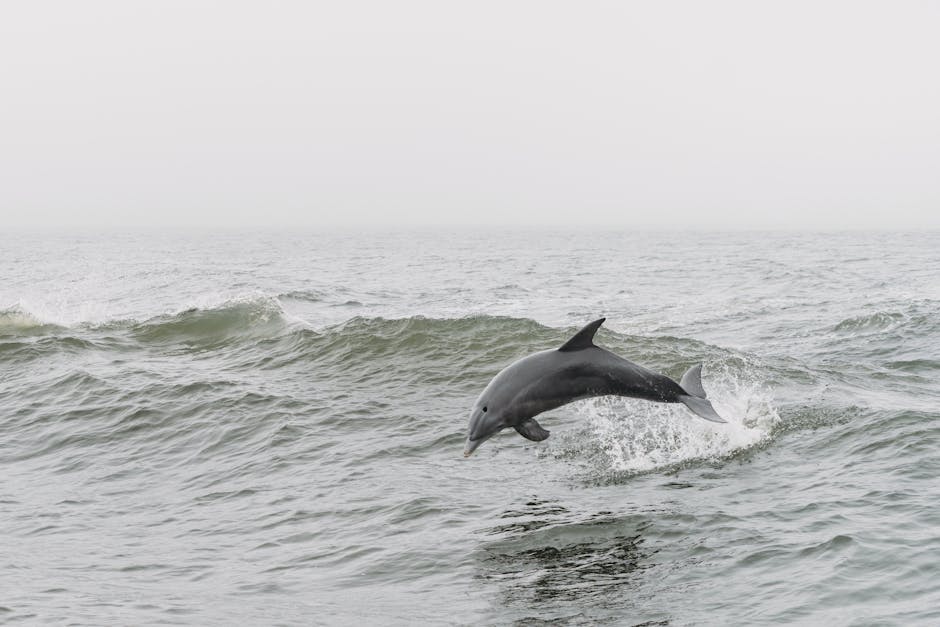

Why beach litter matters to dolphins
Dolphins spend most of their lives in open water, but the health of their habitat is tightly linked to the condition of nearby coastlines. Plastic bottles, fishing gear, and other debris that wash ashore do not stay there. Waves, tides, and currents carry them back into the sea, where they become entanglement hazards, ingestion threats, and sources of chemical pollution. A single discarded fishing net can trap a pod of bottlenose dolphins for hours, while tiny micro‑plastics that break down from larger items accumulate in the food chain, ultimately affecting dolphin health.
Research from coastal monitoring programs consistently shows a correlation between the amount of shoreline debris and the frequency of dolphin strandings or injury reports. Clean beaches therefore act as a passive barrier: the less litter there is to be re‑entered by the ocean, the lower the risk to dolphins and the wider marine ecosystem.
What happens during a typical beach cleanup?
A beach cleanup is a coordinated activity that turns a polluted shore into a safer pathway for water moving in and out. While each event can differ based on location, the core steps remain the same.
- Planning and permits: Organisers secure permission from local authorities, identify high‑impact sites, and arrange waste disposal logistics.
- Volunteer briefing: Participants receive safety instructions, learn how to recognise hazardous items (sharp glass, live wires, fishing lines), and are given gloves, bags, and tools.
- Sorting and collection: Litter is separated into recyclables (plastic bottles, aluminum cans), non‑recyclables (styrofoam, broken glass), and hazardous waste (needles, batteries). This reduces the volume that ends up in landfills and ensures dangerous items are handled correctly.
- Data recording: Many cleanups involve a quick inventory of the types and quantities of debris collected. This data feeds into larger marine‑debris monitoring projects and helps scientists track trends.
- Disposal and reporting: Collected waste is taken to approved facilities. Organisers often publish the results to raise awareness and encourage further participation.
When volunteers follow these steps, they remove material that would otherwise drift back offshore, directly lowering the exposure risk for dolphins.
How removed debris translates into safer waters
Understanding the pathway from shoreline trash to dolphin injury clarifies why cleanups matter.
Entanglement prevention
Many of the items that wash up on beaches are derived from fishing activities—nets, lines, traps, and buoys. When these are left on the sand, tides can refloat them. A dolphin that becomes tangled may suffer lacerations, restricted movement, or drowning. By extracting such gear before it re‑enters the water, cleanups cut the supply of new entanglement hazards.
Reducing ingestion risk
Dolphins often mistake floating plastic bags or fragments for fish. Once ingested, plastic can cause blockages, internal injury, or leach toxic additives such as bisphenol A (BPA). Removing large pieces from the shore lowers the likelihood that they will break down into smaller, ingestible fragments.
Limiting chemical pollution
Many plastics contain additives that release harmful chemicals as they degrade. When these substances dissolve into seawater, they can accumulate in plankton and small fish, the primary diet of many dolphin species. By keeping plastic out of the surf zone, cleanups diminish the input of these pollutants.
Quantifying the impact: What do the numbers say?
Exact figures vary by region, but several long‑term monitoring programmes provide a useful perspective.
- In a six‑year study along the Gulf of Mexico, beaches that received annual cleanups saw a 40 % reduction in the amount of fishing gear recovered in near‑shore waters compared with uncleaned sites.
- Researchers tracking bottlenose dolphin health in the Mediterranean noted a measurable drop in stomach content plastic pieces after a coordinated coastal‑cleanup campaign removed over 15 tonnes of debris in a single season.
- Community‑led data collection in Australia’s Great Barrier Reef region showed that every kilogram of litter removed from the shore corresponded to an estimated 0.3 kg less plastic entering the adjacent reef ecosystem within the following month.
These examples illustrate that beach cleanups are not merely symbolic; they contribute to quantifiable reductions in the threats faced by dolphins.
Choosing the right beach for a dolphin‑focused cleanup
The effectiveness of a cleanup depends on site selection. Here are criteria that help maximise benefit to dolphins.
- Proximity to dolphin habitats: Beaches adjacent to known feeding or breeding grounds provide the most direct protection.
- Debris composition: Sites that accumulate high amounts of fishing‑related waste are priority targets.
- Current patterns: Understanding local currents helps predict which portions of litter are likely to be swept back offshore.
- Community engagement: Areas with active local groups tend to sustain longer‑term cleanup schedules.
Mapping these factors using publicly available marine‑spatial data can guide organisations in planning events that align with dolphin conservation goals.
Practical steps for volunteers to protect dolphins
While the collective effort of a beach cleanup is powerful, individual actions during and after the event also matter.
- Wear appropriate protective gear: Gloves prevent cuts and reduce contact with contaminated items.
- Identify high‑risk items: Mark fishing lines, nets, and traps for separate disposal; avoid placing them in general recycling bags.
- Separate micro‑plastics: Use fine mesh screens to collect visible micro‑plastic fragments that would otherwise slip through standard bags.
- Record observations: Note any dolphin‑related evidence—such as carcasses, entangled individuals, or fresh tracks—and report to local wildlife agencies.
- Educate fellow participants: Explain the link between litter and dolphin health; informed volunteers are more likely to adopt sustainable behaviours.
Linking beach cleanups to larger dolphin conservation programmes
Many NGOs and government bodies run integrated marine protection strategies that incorporate shoreline cleanups as one component. Understanding these connections can help volunteers see how their effort fits into broader objectives.
- Marine Protected Areas (MPAs): Clean beaches within MPAs support enforcement of no‑take zones, indirectly safeguarding dolphin prey species.
- By‑catch reduction initiatives: Removing abandoned gear reduces the pool of discarded nets that often become by‑catch in commercial fisheries, benefitting dolphins that share those waters.
- Citizen‑science networks: Data gathered during cleanups—such as counts of specific debris types—feeds into global databases like the Ocean Conservancy’s International Coastal Cleanup, which informs policy recommendations.
Common misconceptions about beach cleanups and dolphin safety
Readers often hold assumptions that can dilute the real impact of cleanups. Clarifying these points helps maintain realistic expectations.
“One cleanup won’t make a difference.”
Each event removes kilograms of material that would otherwise re‑enter the ocean. Cumulative effort across many volunteers and locations creates measurable declines in debris density, as demonstrated by the long‑term studies cited earlier.
“Dolphins only live far from shore, so beach litter isn’t a problem.”
Many dolphin species—bottlenose, dusky, and Hector’s dolphins—frequently use near‑shore waters for feeding, nursing, and socialising. Even pelagic species can be affected when plastics travel long distances on ocean currents.
“Recycling the collected trash is enough.”
Recycling prevents further landfill waste, but it does not address the immediate threat of gear that can instantly entangle dolphins once it returns to the sea. Immediate removal and proper hazardous‑waste handling are essential steps.
Beyond the beach: Complementary actions to protect dolphins
While cleanups are a visible and achievable activity, they work best when paired with other stewardship measures.
- Reduce single‑use plastics: Cutting consumption at the source limits the amount that ever reaches the shore.
- Support sustainable fishing practices: Choose seafood certified by credible programmes that limit discarding of gear.
- Participate in shore‑based monitoring: Reporting dolphin sightings, strandings, or unusual behaviour helps scientists track population health.
- Advocate for stronger marine legislation: Policies that ban micro‑beads, enforce gear‑retrieval requirements, or create new MPAs directly benefit dolphin habitats.
These actions reinforce the protective effect of beach cleanups and broaden the impact on dolphin conservation.
How to start a dolphin‑focused beach cleanup in your community
Organising a cleanup can seem daunting, but a step‑by‑step approach keeps the process manageable.
- Identify a target beach: Use local marine‑wildlife maps to locate a shoreline near known dolphin activity.
- Contact local authorities: Secure necessary permits, confirm waste‑removal services, and inquire about any existing cleanup calendars.
- Partner with marine NGOs: Organizations focused on dolphin conservation often provide training materials, branded bags, and promotional support.
- Recruit volunteers: Reach out through schools, community centres, and social media. Emphasise the link between litter and dolphin health to attract environmentally motivated participants.
- Plan logistics: Arrange for gloves, trash bags, recycling bins, and a collection point for hazardous waste. Prepare a simple briefing script covering safety and sorting guidelines.
- Conduct the cleanup: Follow the standard workflow—briefing, collection, sorting, data logging, and disposal.
- Report results: Publish the amount and type of debris removed, and any dolphin‑related observations. Share the report with local media and conservation partners.
- Schedule follow‑up events: Consistency builds momentum and leads to longer‑term reductions in beach debris.
Following these steps creates a repeatable model that other coastal communities can replicate, expanding the protective net for dolphins across larger regions.
Measuring success: Indicators to watch
Success can be evaluated at two levels: immediate cleanup outcomes and longer‑term dolphin health trends.
- Debris metrics: Total weight, volume, and proportion of fishing gear collected per event.
- Volunteer engagement: Number of participants, retention rate across events, and community outreach reach.
- Dolphin incident reports: Changes in the frequency of strandings, entanglements, or observed injuries in the surrounding waters.
- Water quality data: Reductions in micro‑plastic concentrations measured by periodic sampling.
When these indicators show positive movement, they provide evidence that the cleanup effort is contributing to healthier dolphin populations.
Future outlook: Scaling impact while maintaining quality
As climate change and coastal development increase the pressure on marine ecosystems, beach cleanups will remain a low‑cost, high‑visibility tool. Scaling up means engaging more volunteers, expanding data collection, and integrating cleanups with emerging technologies such as drone‑assisted litter surveys or AI‑driven waste‑sorting stations. However, growth must not sacrifice the careful handling of hazardous items or the local knowledge that makes each cleanup effective for nearby dolphin habitats.